Introduction
Tiger serpents, understood for their striking patterns and powerful poison, inhabit various areas across Australia, specifically in coastal locations. Although they might show up fascinating, their bite can be lethal otherwise treated promptly. Recognizing how to carry out emergency treatment following a tiger serpent bite is important knowledge for any person living or discovering areas where these snakes are found.
In this extensive overview, we will certainly explore the specifics of dealing with a tiger snake bite. We will certainly cover everything from identifying the snake to understanding its environment, identifying symptoms of envenomation, and executing efficient emergency treatment steps. Our objective is to equip you with the necessary abilities to act decisively and efficiently in the event of a snake bite.
What is a Tiger Snake?
Overview of Tiger Snakes
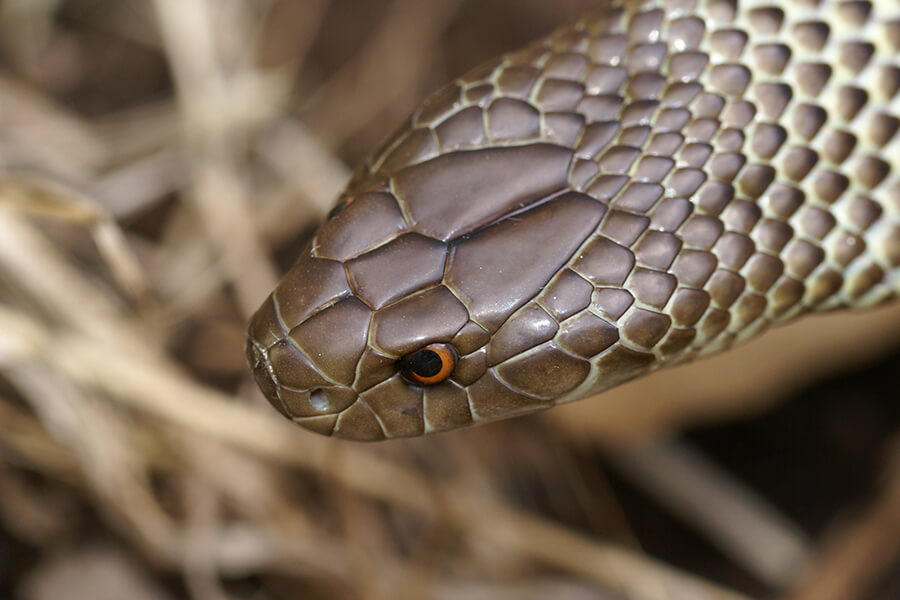
Tiger serpents (Notechis spp.) are extremely poisonous snakes belonging to Australia and bordering islands. These snakes are characterized by their distinctive grouped pattern that appears like that of a tiger-- for this reason the name. They usually grow in between 1 to 2 meters long, with some individuals rising to 3 meters.
Tiger Serpent Habitat
Tiger serpents favor wet environments such as wetlands, swamps, and seaside areas. They are usually located near water resources which provide them with enough food supply like frogs, fish, and tiny animals. Recognizing their environment can be essential for people living near these locations to lower encounters.
Are Tiger Snakes Venomous?
Yes! Tiger serpents are among one of the most venomous snakes in Australia. Their venom has powerful neurotoxins that can trigger paralysis and coagulopathy (interruption of blood clotting). It's important to recognize that not all tiger snakes provide poison Conservation of Australian snakes when they attack; nevertheless, one ought to deal with any kind of snake bite as potentially dangerous.
Recognizing a Tiger Snake Bite
Identifying Signs of a Tiger Snake Bite
A tiger serpent's bite may present numerous instant signs:
- Local Pain: Extreme pain at the site of the bite Swelling: Rapid swelling around the bitten area Discoloration: Bruising or staining might occur Systemic Symptoms: Nausea, vomiting, difficulty breathing, or indicators of shock
What Does a Serpent Bite Look Like?
The appearance of a tiger snake bite can differ depending upon individual reactions and seriousness:
- Two slit injuries can usually be observed. Surrounding inflammation or swelling commonly develops rapidly. In serious cases, systemic signs and symptoms may emerge within minutes.
First Aid for Serpent Bites
Immediate Actions Following a Tiger Snake Bite
If you find on your own or another person attacked by a tiger serpent:
Stay Calm: Keeping calm lowers stress and anxiety and slows down heart rate.
Keep the Sufferer Still: Encourage restricted movement; this aids reduce venom spread out via the body.
Remove Tight Clothing: Loosen any kind of constrictive apparel or devices near the bite site.
Immobilize Impacted Limb: Usage splints or bandages to maintain the afflicted area still.
Keep Sufferer Resting Down: Preferably, position them flat with the affected limb listed below heart level.
Call Emergency situation Solutions Immediately
It's crucial to look for medical help right away by calling emergency situation services (like 000 in Australia). Provide clear information regarding your place and conditions bordering the incident.
Building Your Serpent Bite Emergency Treatment Kit
A well-appointed first aid kit is important for resolving emergencies like serpent attacks. Here's what it ought to have:
|Thing|Summary|| ------|-------------|| Compression Plaster|For immobilization|| Splint|To maintain injured arm or legs|| Antihistamine|If allergic reaction occurs|| Discomfort Relief Medication|Such Swelling Reduction as paracetamol|| Emergency Situation Contact Numbers|Pre-written checklist|
Ensure your kit is quickly available during outdoor activities in habitats known for tiger snakes.
First Help Strategies for Snake Bites
Compression Bandaging Technique
Using compression plasters properly can decrease poison spread:
Start covering from listed below the bite site relocating upward. Apply firm however not excessively limited pressure. Ensure flow isn't hampered (check fingers/toes for color change).Avoiding Typical Mistakes
There are a number of typical mistakes people make when dealing with serpent bites:
- Do NOT apply ice straight; this might aggravate tissue damage. Avoid reducing into the wound or trying suction. Do NOT usage tourniquets; these can trigger more damage than good.
Treatment Post-Snake Bite
Understanding Antivenom Therapy
Once at a medical center:
Healthcare providers will certainly assess symptoms. If necessary, antivenom particular to Australian tiger serpent poison will certainly be administered. Monitoring important indicators for problems is conventional practice after treatment.Recovery Period After Treatment
Post-treatment recovery involves remainder and monitoring for any delayed issues such as allergies or infection at the bite site.
Preventative Steps Against Tiger Snakes
Safety Tips When Checking out Tiger Serpent Habitats
To minimize threat while enjoying nature:
Wear tough boots and long trousers while hiking. Stay on significant trails far from thick vegetation. Be mindful around water resources where these serpents frequent.Educating Others About Serpent Safety
Sharing knowledge about safety precautions can aid others avoid unsafe experiences with tiger snakes:
- Organize local workshops on recognizing harmful wildlife. Provide resources on first aid techniques associated with snake bites.
FAQs
What should I do if I see a tiger snake?
If you run into a tiger serpent in the wild:
- Maintain range and do not prompt it. Slowly back away from its path while keeping an eye on it until it runs out sight.
How quickly does venom impact a person after being bitten?
Symptoms can start within minutes after being bitten; nevertheless, it may take longer depending upon aspects like dimension of private bitten and quantity of poison injected.
Is it secure to suck out the venom?
No! Trying to suck out poison boosts infection danger without offering any type of benefit; it's far better to concentrate on proper immobilization method instead.
Can I drive myself if bitten by a tiger snake?
No! Driving yourself can delay therapy; constantly look for help from others or call emergency situation solutions promptly after being bitten.
What occurs if I do not get treatment?
Without prompt medical focus adhering to a tiger snake bite:
- Serious complications might emerge consisting of paralysis or even fatality because of respiratory failure arising from neurotoxic effects of envenomation.
How do I know if my animal has been attacked by a snake?
Signs consist of abrupt lethargy, swelling at website of injury or trouble breathing; call your vet immediately if you presume your animal has been bitten!
Conclusion
Treating a tiger serpent bite calls for quick action combined with precise understanding regarding emergency treatment methods specific to envenomations from these harmful animals. By staying calm and executing effective first aid methods described above-- alongside seeking professional clinical assistance-- you considerably boost results complying with such deadly cases in nature's unrelenting wilderness!
Allergic ReactionsKnowing exactly how ideal to react is paramount-- so furnish yourself with understanding pertaining to both avoidance methods as well as comprehensive care strategies connected straight towards reducing risks related to Australia's amazing yet treacherous animals landscape!
Remember-- expertise saves lives!